
"coffee frost resistance"
400 article(s) found
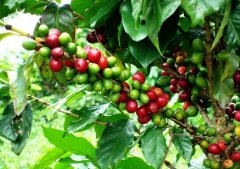
Cold-resistant single plant found in Yunnan coffee-- there is a new hope for cold-resistant breeding
The coffee producing area of Yunnan Province is mainly located in the tropical and subtropical area between the north of Indo-China Peninsula and the south of Yunnan Province, with a continental climate on the northern margin of the tropics.
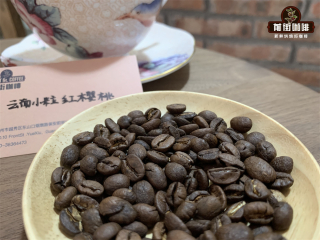
Yunnan small Grain Coffee belongs to Arabica? Yunnan coffee species and flavor and taste characteristics of producing areas
Professional coffee knowledge exchange more coffee bean information please follow the coffee workshop (Wechat official account cafe_style) front street-Yunnan small grain coffee introduction Yunnan coffee cultivation history can be traced back to 1892, large-scale cultivation of coffee is the mid-50th century, but also the first coffee planting base in China

Brazilian coffee frost frost recovery and yield fluctuation of Brazilian coffee trees
With the development of new technology, the news of Brazilian coffee cream spread all over the world in a few minutes. Accordingly, coffee prices usually rise due to expectations of a global coffee shortage. Brazil produces nearly 25 million bags of 60 kilograms of coffee. This accounts for about 25% of the world's supply. Frost has a far-reaching effect because it can reduce or completely eliminate most of the world's supplies in one day.

Coffee basic knowledge three native species of coffee
There are about 40 species of coffee plants, but only one can produce coffee beans of commercial value. Arabica, Robusta and Liberia are known as the three major native species of coffee: Arabica species are native to the Ethiopian plateau. Arabica coffee accounts for 75%, 80% of all coffee varieties, and its excellent flavor and aroma make it these.
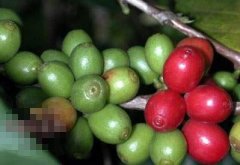
Three native species of coffee
There are about 40 species of coffee, but only one of them can produce coffee beans of commercial value. Arabica, Robusta and Liberia are called the "three native species of coffee".

Three primary coffee beans
Arabica: Origin of Ethiopia, equivalent to the rich and handsome coffee beans, belong to the precious coffee beans. It is grown at an altitude of 700-2000 meters and accounts for 75-80% of the world's coffee production. It has excellent flavor and aroma, low caffeine content, caffeine content of about 1-1.5% of its weight, but for drying, frost, disease

The best producing area of growing coffee beans in China the taste characteristics of Yunnan small grain coffee is sour and bitter.
Professional coffee knowledge exchange more coffee bean information please follow the coffee workshop (Wechat official account cafe_style) Qianjie-Yunnan Coffee introduction talk about Yunnan Province, which is currently the only high-quality coffee raw material production base in China, and it is also the earliest place to grow coffee in Chinese mainland area. Even if it is

What are the characteristics of the three native species of coffee? introduction to the characteristics and flavor of Rosa coffee beans
Professional coffee knowledge exchange more coffee bean information please follow the coffee workshop (Wechat official account cafe_style) Qianjie three major coffee varieties, Rosa coffee characteristics introduction 1. Arabica is characterized by strong fragrance, delicate fragrance, pleasant sour taste, smooth texture, less bitterness and mild taste, but its resistance to dryness, frost, diseases and insect pests is too low.

The most basic knowledge that should be understood-- the three native beans of coffee
Coffee three primary bean species Arabica species (arabica): the origin of Ethiopia, equivalent to the rich and handsome coffee beans, is a precious coffee bean species. It is planted at an altitude of 700-2000 meters, accounting for 75-80% of the world coffee production. It has excellent flavor and aroma, low caffeine content, about 1-1.5% of its weight, but for dryness, frost damage and disease.

The relationship between Kenyan coffee and Arabica coffee beans
Arabica coffee accounts for about 65% and 80% of the world's coffee beans, and its excellent flavor and aroma make it the only coffee among these native species that can be drunk directly and alone. However, its resistance to drying, frost, diseases and insect pests is low, especially to the biggest natural enemy of coffee, leaf rust, so all producing countries are committed to improving varieties. For example, the well-known Sri

Introduction to the regional treatment method of coffee bean species, characteristics, flavor, taste and manor production
Coffee bean species knowledge, flavor, taste, manor production, regional treatment of all coffee, Arabica coffee accounts for 75%, 80%, its excellent flavor and aroma, making it the only coffee that can be drunk directly among these native species. However, it has low resistance to dryness, frost, diseases and insect pests, especially the natural enemy of coffee, leaf rust, so all producing countries are working hard.
Arabica Coffee beans Coffee cultivation in China
Arabica coffee accounts for 70% of all coffee production, and its excellent flavor and aroma make it a direct drinkable coffee with only eight Arabica beans (8). But its resistance to dryness, frost, diseases and insect pests is too low, especially the natural enemy of coffee-leaf rust, so all producing countries are committed to

Arabica Coffee Coffee Arabica
Many people have seen roasted coffee beans, but unless you have lived or traveled to coffee producing areas, you may not know coffee trees. The saplings are short-trimmed, but when they mature, they are 30 feet tall and covered with waxy leaves that grow symmetrically in dark green. The coffee fruit grows along the branches. After the white flowers are in full bloom and pollinated, the fruit takes a year to ripen. Fruiting is a continuous cycle, so flowers
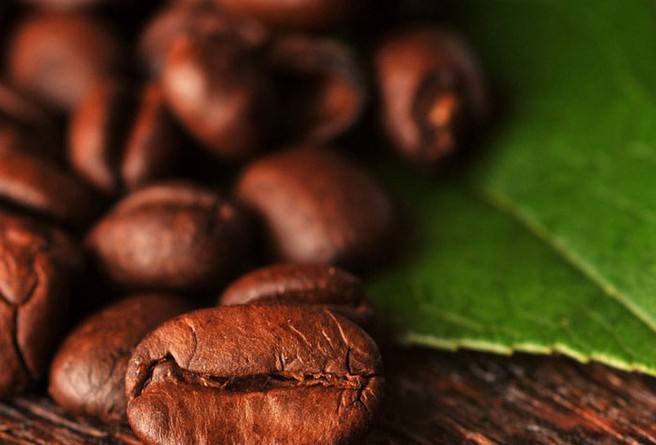
How about Arabica coffee? it's a variety of varieties full of personality.
Arabica species are a variety of varieties full of personality. This kind of coffee accounts for 65% of the world's total coffee production, and most of the coffee beans we buy are Arabica. The Arabica species, which originated in Ethiopia, was divided into Tibika subspecies and Bobang subspecies on the way through the Arabian Peninsula, and later divided into different subspecies through natural variation and different mating methods.
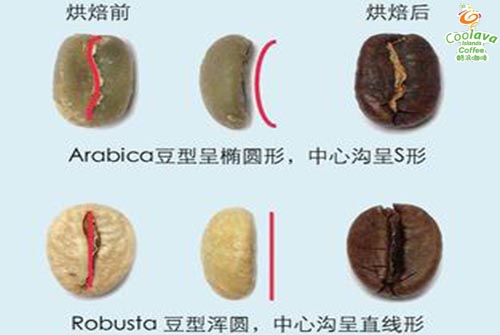
Boutique coffee beans: details of Arabica and the difference between Arabica and Robusta
Arabica Coffee Coffee Arabica many people have seen roasted coffee beans, but unless you have lived or traveled to coffee producing areas, you may not know coffee trees. The saplings are short-trimmed, but when they mature, they are 30 feet tall and covered with waxy leaves that grow symmetrically in dark green. The coffee fruit grows along the branches. After the white flowers are in full bloom and pollinated, the fruit takes a year to ripen.

Coffee growing habits Coffee trees belong to the Akanaceae evergreen family
Coffee trees belong to the evergreen family of the Akanaceae family. They are tropical plants and are not cold-resistant. Most of them are planted in areas with an elevation of 300-400 meters. There are also highlands cultivated at elevations of 2000-2500 meters. However, the quality of those planted on slopes above 1500 meters is better. Coffee trees grow best at an average temperature of about 20 degrees Celsius and annual precipitation of 1500-2000 millimeters

Arabica beans Arabica coffee beans are different from other coffee beans
Arabica beans are an important type of commercial coffee. They bear fruit within three years and have excellent aroma and acidity. Arabica coffee beans are mainly produced in South America (except Argentina and Brazil), Central America, Africa (Kenya, Ethiopia, etc., mainly East African countries), Asia (Indonesia, Yemen, India, Papua New Guinea)

What are the types of coffee beans? is Arabica coffee beans expensive?
Professional coffee knowledge exchange more coffee bean information please follow the coffee workshop (Wechat official account cafe_style) front street-coffee bean three major varieties introduction coffee trees are only suitable for planting in the tropics or subtropics, today's coffee native species are Arabica, Robusta, Liberia card (Liberica) three major species. Arabica (Arabica) origin

Detailed introduction of the varieties of Arabica beans
Follow the caf é (Wechat official account vdailycom) found that the beautiful cafe opened a small shop of its own. Arabica coffee accounted for 70% of all coffee production. Arabica coffee accounted for 80% of all coffee production. Its excellent flavor and aroma make it the only coffee that can be drunk directly. But its resistance to dryness, frost, diseases and insect pests is too low, and it is especially intolerant to coffee.

Introduction of Arabica Coffee Origin introduction of Arabica Coffee Manor
Arabica coffee accounts for 70% of all coffee production, and Arabica coffee accounts for 70% of all coffee products. its excellent flavor and aroma make it a direct drinkable coffee with only 8 Arabica beans (8). But its resistance to dryness, frost, diseases and insect pests is too low, especially the natural enemy of coffee-leaf rust, so all producing countries are in